Mesenchymal Stem Cells and the Science of Beautiful Skin
What this article covers
- The Skin's Delicate Ecosystem
- The skin, our largest and most exposed organ, is a complex ecosystem teeming with life. It functions as a protective barrier against environmental assaults, regulating body temperature, and even contributing to sensations like touch and pain.
- Mesenchymal Stem Cells: The Versatile Masters of Repair and Renewal
- Among these vital stem cells, MSCs stand out for their remarkable versatility. These multipotent cells, meaning they can differentiate into various cell types, reside primarily in the dermis but are also found in other tissues throughout the body.
- Exploring the Science
- The potential of MSC therapy for skin rejuvenation is exciting, but significant research is still ongoing.
- Mesenchymal Stem Cell Delivery Methods:
- There are various methods for delivering MSCs for skin rejuvenation:
- Safety Considerations and Ethical Concerns:
- While MSC therapy holds immense promise, safety and ethical considerations are paramount. Potential risks associated with MSC therapy include tumor formation, immune rejection (if using allogeneic – from another person – MSCs), and unintended differentiation.
In human skin, there are a variety of different adult stem cells, including epidermal stem cells, dermal stem cells, hair follicle stem cells, hematopoietic stem cells, and endothelial progenitor cells. These cells coordinate with each other to generate skin cell lineages, develop, and build a complete skin. Different stem cells in the skin have different tasks.
Humans have always been looking for eternal beauty and vitality. Right beneath the surface of our skin lies a powerful type of cells, the Mesenchymal stem cells (MSCs). These cells hold the key to healthy, radiant skin, constantly working behind the scenes to repair damage, maintain elasticity, and keep us glowing.
The Skin's Delicate Ecosystem
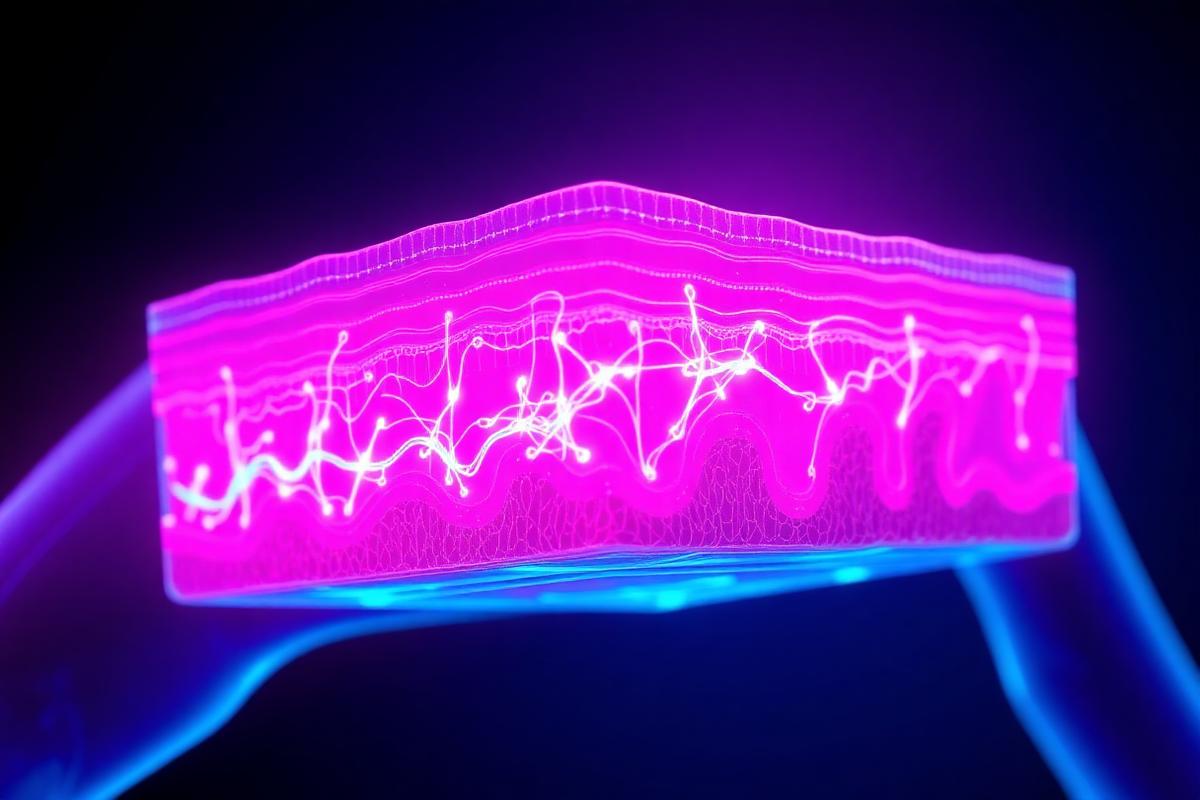
The skin, our largest and most exposed organ, is a complex ecosystem teeming with life. It functions as a protective barrier against environmental assaults, regulating body temperature, and even contributing to sensations like touch and pain. Just like a well-oiled machine, keeping our skin healthy requires different cell types working together, each with its own important job. Stem cells, the body's master repairers, are at the heart of this delicate balance.
These are the skin's stem cell:
- Epidermal Stem Cells (ESCs): These cells reside in the outermost layer of the skin, the epidermis. They act as the skin's renewal engine, constantly churning out new skin cells (keratinocytes) to replace old, damaged ones. Think of them as the construction crew, perpetually building a fresh barrier against the elements like UV radiation and pollution.
- Dermal Stem Cells (DSCs): Deeper within the dermis, the skin's middle layer where most of its thickness resides, live the dermal stem cells. These jacks-of-all-trades are responsible for keeping your skin plump and elastic. They produce collagen and elastin, the building blocks that give your skin its bounce and youthful appearance. Imagine them as the city's masons, tirelessly constructing the framework that keeps everything firm and youthful.
- Hair Follicle Stem Cells (HFSCs): As the name suggests, these stem cells are nestled within the hair follicles, the specialized structures responsible for hair growth. HFSCs are responsible for hair growth cycles, constantly renewing hair follicles and contributing to overall skin health. They can also differentiate into other skin cell types, aiding in wound repair. Think of them as the artists, adding a touch of beauty by fostering luscious hair and contributing to skin regeneration.
Mesenchymal Stem Cells: The Versatile Masters of Repair and Renewal
Among these vital stem cells, MSCs stand out for their remarkable versatility. These multipotent cells, meaning they can differentiate into various cell types, reside primarily in the dermis but are also found in other tissues throughout the body. T
heir unique ability to transform into fibroblasts (collagen producers), fat cells, and even blood vessel cells makes them crucial for maintaining skin health in several ways:
- Combating Wrinkles: The Collagen Connection: As we age, MSC activity naturally declines. This decrease in collagen production leads to a loss of skin firmness and the formation of wrinkles. MSC therapy has the potential to revitalize these stem cells, stimulating collagen production and restoring a youthful appearance. Researchers are exploring ways to directly inject MSCs into the dermis or utilize growth factors secreted by MSCs to promote collagen synthesis.
- Accelerating Wound Healing: A Speedy Response to Injury: Skin injuries, whether caused by cuts, burns, or acne, disrupt the delicate balance of the skin's ecosystem. MSCs, with their powerful regenerative properties, can be used to accelerate wound healing by promoting cell proliferation and tissue regeneration. They not only stimulate the growth of new skin cells but also possess potent anti-inflammatory and immunomodulatory properties. Imagine them as a skilled repair crew, rushing in to mend the damage, reduce inflammation, and restore the skin's integrity.
- Soothing Inflammation: Calming the Storm Within: Chronic inflammation plays a significant role in various skin conditions like acne, rosacea, and psoriasis. MSCs possess powerful immunomodulatory properties, meaning they can help calm inflammation and promote skin healing. They can modulate the activity of immune cells that contribute to inflammation, creating a more harmonious environment for healthy skin. Imagine them as peacemakers, de-escalating the situation and promoting a balanced immune response.
Exploring the Science
The potential of MSC therapy for skin rejuvenation is exciting, but significant research is still ongoing. Here's a deeper look at the science behind some promising approaches:
Mesenchymal Stem Cell Delivery Methods:
There are various methods for delivering MSCs for skin rejuvenation:
- Direct Injection: Injecting MSCs directly into the dermis is a potential method for localized rejuvenation. However, this approach can be invasive and requires further research on optimal cell dosages and injection techniques.
- Topical Application: Scientists are exploring ways to deliver MSCs or their beneficial secretions topically. This would offer a less invasive approach but requires overcoming challenges related to cell viability and penetration through the skin barrier.
- Bioengineered Skin Products: MSCs can be used to create bioengineered skin products like scaffolds or gels seeded with these cells. These products could be applied to wounds or damaged areas to promote healing and regeneration.
Safety Considerations and Ethical Concerns:
While MSC therapy holds immense promise, safety and ethical considerations are paramount. Potential risks associated with MSC therapy include tumor formation, immune rejection (if using allogeneic – from another person – MSCs), and unintended differentiation. Rigorous clinical trials are necessary to ensure the safety and efficacy of MSC therapy for skin applications. Additionally, the ethical sourcing of MSCs and informed consent procedures are crucial aspects to consider.
The Future of Skin Care: A Personalized Approach Powered by MSCs
The possibilities for utilizing MSCs in skin care are vast and ever-evolving. Here's a glimpse into the exciting future:
- Personalized Stem Cell Therapy: Imagine a future where stem cells are extracted from your own body and used to create customized treatments for your unique skin needs. This personalized approach could revolutionize the way we address everything from wrinkles to scars. Researchers are exploring ways to isolate and expand autologous (your own) MSCs for therapeutic applications.
- Bioengineered Skin Products for Diverse Applications: Bioengineered skin products utilizing MSCs could offer a safe and effective alternative to traditional treatments for various skin conditions like burns, chronic wounds, and even hyperpigmentation. These products could potentially promote faster healing, reduce scarring, and improve overall skin quality.
- Combination Therapies: Combining MSC therapy with other established skin rejuvenation techniques like lasers or microneedling holds promise for synergistic effects. This approach could potentially enhance treatment outcomes and provide a more comprehensive approach to skin health.
Conclusion
By delving into the world of MSCs, we gain a deeper appreciation for the intricate workings of our skin. These remarkable stem cells hold the potential to revolutionize the way we approach skin health, offering a future where rejuvenation goes beyond superficial treatments and focuses on promoting cellular regeneration from within. As research continues to advance, the potential of MSC therapy is poised to transform the landscape of dermatology, allowing us to unlock the secrets of beautiful, healthy skin for the long term.
Key Questions Answered
- What are Mesenchymal Stem Cells (MSCs) and how do they benefit skin health?
- Mesenchymal Stem Cells (MSCs) are versatile, multipotent cells primarily found in the dermis, capable of differentiating into various cell types like fibroblasts, fat cells, and blood vessel cells. They help maintain skin health by combating wrinkles through stimulating collagen production, accelerating wound healing by promoting cell proliferation and tissue regeneration, and soothing inflammation due to their immunomodulatory properties.
- What are some potential methods for delivering Mesenchymal Stem Cells (MSCs) for skin rejuvenation?
- Potential delivery methods for MSCs in skin rejuvenation include direct injection into the dermis for localized treatment, topical application of MSCs or their beneficial secretions, and the use of bioengineered skin products like scaffolds or gels seeded with MSCs. Each method has specific challenges regarding invasiveness, cell viability, penetration, or application for healing and regeneration.
- What safety and ethical considerations are important for Mesenchymal Stem Cell (MSC) therapy in skin applications?
- Safety and ethical considerations are crucial for MSC therapy, with potential risks including tumor formation, immune rejection if using allogeneic MSCs, and unintended cell differentiation. Rigorous clinical trials are necessary to ensure safety and efficacy, alongside careful attention to the ethical sourcing of MSCs and proper informed consent procedures.
Sources
- No external citations were included in the original source material for this article.
Related Articles
- Fundamentals
How Are Stem Cells Delivered? IV Infusion, Injection, and Implantation Compared
IV infusion, local injection, and surgical implantation send stem cells to very different places. How each delivery route works, what it's used for, and why the lungs trap most IV-infused cells.
- Fundamentals
Who Pays for Stem Cell Research? A Beginner's Guide to How Trials and Therapies Get Funded
Stem cell therapies move through a funding relay — NIH and state grants, universities, foundations, then venture capital. Legitimate trials don't charge patients for the experimental product.
- Fundamentals
Why Do Promising Stem Cell Therapies Sometimes Fail Late-Stage Clinical Trials? A Beginner's Guide to Trial Risk
Gene and cell therapies reach approval roughly 10–17% of the time. Here's why late-stage failure is common, what causes it, and how to read trial news carefully.