Protecting Joint Health as You Age: What the Evidence Actually Shows
What this article covers
- What This Article Covers
- " A meaningful body of research shows that specific, unglamorous habits change the trajectory of joint health: how much load a joint carries, how strong the muscles around it are, whether it was seriously injured earlier in life, and how quickly problems get evaluated once they start. This article lays out what the evidence actually supports, what it doesn't, and where genuine uncertainty remains.
- Weight Management: The Single Strongest Lever
- Of everything in this article, the evidence on body weight and knee osteoarthritis is the most robust — and the news here is genuinely good. Each pound of body weight translates into roughly four pounds of additional pressure across the knee with every step, according to research cited by the Arthritis Foundation.
- Exercise and Strength Training
- The CDC recommends that adults — including those who already have arthritis — get at least 150 minutes per week of moderate aerobic activity plus muscle-strengthening activity at least two days a week, using joint-friendly options like walking, cycling, swimming, and resistance bands or weights that don't provoke pain. This isn't just about general fitness: stronger muscles around a joint, particularly the quadriceps at the knee, help absorb and redistribute load that would otherwise pass directly through cartilage.
- Avoiding Joint Injury and Overuse
- Injury is one of the clearest, most underappreciated risk factors for osteoarthritis later in life. Post-traumatic osteoarthritis develops in up to 87 percent of people who sustain an ACL tear, and meniscus damage — which occurs in a substantial share of ACL ruptures — further raises that risk, according to the Arthritis Foundation.
- Diet and Inflammation: Real Signal, Genuine Limits
- Diet is where enthusiasm most often outruns the evidence, and it's worth saying so plainly. The Arthritis Foundation notes that certain foods "may help control inflammation," using deliberately cautious language rather than claiming proof.
What This Article Covers
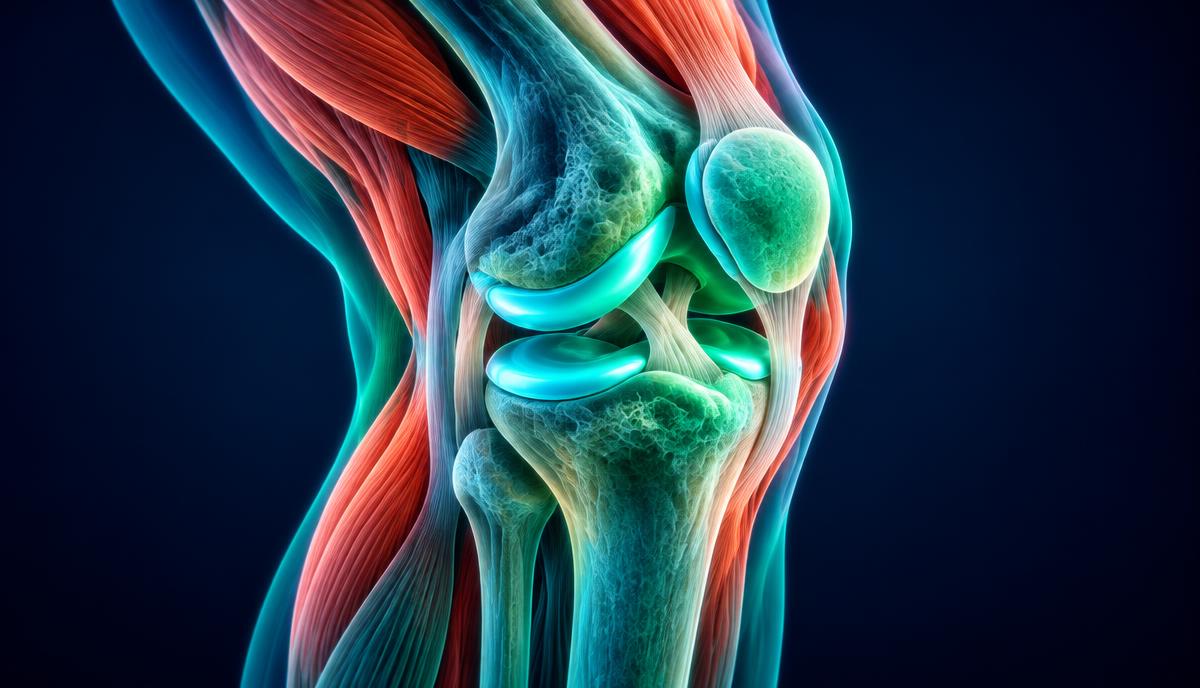
Osteoarthritis is the most common form of arthritis, and joint degeneration is one of the most predictable consequences of aging — but "predictable" doesn't mean "unavoidable" or "unmodifiable." A meaningful body of research shows that specific, unglamorous habits change the trajectory of joint health: how much load a joint carries, how strong the muscles around it are, whether it was seriously injured earlier in life, and how quickly problems get evaluated once they start. This article lays out what the evidence actually supports, what it doesn't, and where genuine uncertainty remains.
Weight Management: The Single Strongest Lever
Of everything in this article, the evidence on body weight and knee osteoarthritis is the most robust — and the news here is genuinely good. Each pound of body weight translates into roughly four pounds of additional pressure across the knee with every step, according to research cited by the Arthritis Foundation. That multiplier works in reverse, too: a study in Arthritis Care & Research found that older adults with knee OA who lost 10 to 20 percent of their body weight saw significantly better improvements in pain, function, and quality of life than those who lost only 5 percent. A separate four-year MRI study of 640 overweight or obese adults, published in Radiology, found that people who lost weight had slower cartilage deterioration than those who didn't, with the biggest benefit in those who lost more than 10 percent of body weight. Weight loss also lowers the odds that OA in one knee will progress to the other knee — obese adults with OA in one knee are about five times more likely than healthy-weight adults to eventually develop it in the second.
Exercise and Strength Training
The CDC recommends that adults — including those who already have arthritis — get at least 150 minutes per week of moderate aerobic activity plus muscle-strengthening activity at least two days a week, using joint-friendly options like walking, cycling, swimming, and resistance bands or weights that don't provoke pain. This isn't just about general fitness: stronger muscles around a joint, particularly the quadriceps at the knee, help absorb and redistribute load that would otherwise pass directly through cartilage. The important caveat: exercise strengthens the tissues surrounding a joint and can meaningfully reduce pain and improve function, but it does not regrow or reverse cartilage that has already been lost. It's a management and protective tool, not a repair mechanism.
Avoiding Joint Injury and Overuse
Injury is one of the clearest, most underappreciated risk factors for osteoarthritis later in life. Post-traumatic osteoarthritis develops in up to 87 percent of people who sustain an ACL tear, and meniscus damage — which occurs in a substantial share of ACL ruptures — further raises that risk, according to the Arthritis Foundation. This is a large part of why sports medicine emphasizes proper landing mechanics, gradual training load increases, and not "playing through" joint injuries: an acute injury in your 20s or 30s can set the stage for degenerative changes decades before typical age-related OA would appear.
Diet and Inflammation: Real Signal, Genuine Limits
Diet is where enthusiasm most often outruns the evidence, and it's worth saying so plainly. The Arthritis Foundation notes that certain foods "may help control inflammation," using deliberately cautious language rather than claiming proof. Whole-food sources appear to matter more than isolated supplements in at least some respects — for example, getting fiber from food lowers CRP (a marker of inflammation) more effectively than fiber supplements do. Popular claims about specific foods triggering flares, such as nightshade vegetables, have limited scientific support either way. The honest summary: an overall healthy dietary pattern is reasonable and unlikely to hurt, but no diet or supplement has been shown to prevent, slow, or reverse osteoarthritis the way weight management and exercise have.
When to See a Doctor Early
According to the NIH's National Institute of Arthritis and Musculoskeletal and Skin Diseases (NIAMS), osteoarthritis risk factors include aging, excess weight, prior joint injury, repetitive joint stress, and family history, with hallmark symptoms of activity-related pain and morning stiffness lasting under 30 minutes. Getting these symptoms evaluated when they first appear — rather than after months or years of accommodating them — allows a clinician to identify modifiable factors, start appropriate strengthening or activity modification, and monitor progression before options narrow.
Bottom Line
The strongest, best-supported tools for protecting joint health as you age are also the most ordinary: maintaining a healthy body weight, staying consistently active with an emphasis on muscle strength, and protecting joints from serious injury. Diet may play a modest supporting role, but the evidence for it is far weaker than for weight and exercise, and no food or supplement substitutes for either. None of these measures reverse cartilage damage that has already occurred — but they meaningfully change the odds of whether, and how fast, that damage develops in the first place.
Sources
- How Fat Affects Osteoarthritis, Arthritis Foundation, 2024, https://www.arthritis.org/health-wellness/about-arthritis/related-conditions/other-diseases/how-fat-affects-osteoarthritis
- Weight Loss Benefits for Arthritis, Arthritis Foundation, 2024, https://www.arthritis.org/health-wellness/healthy-living/nutrition/weight-loss/weight-loss-benefits-for-arthritis
- About Physical Activity and Arthritis, Centers for Disease Control and Prevention, 2024, https://www.cdc.gov/arthritis/prevention/index.html
- ACL Tears Set the Stage for Osteoarthritis, Arthritis Foundation, 2024, https://www.arthritis.org/health-wellness/about-arthritis/related-conditions/physical-effects/acl-injuries-and-arthritis
- Anti-Inflammatory Diet Do's and Don'ts, Arthritis Foundation, 2024, https://www.arthritis.org/health-wellness/healthy-living/nutrition/anti-inflammatory/anti-inflammatory-diet
- Osteoarthritis, National Institute of Arthritis and Musculoskeletal and Skin Diseases (NIAMS), NIH, 2023, https://www.niams.nih.gov/health-topics/osteoarthritis
Related Articles
- Fundamentals
Types of Autoimmune Disease: Which Ones Are Being Studied With Stem Cell Therapy?
Autoimmune cell therapies range from specialist-endorsed AHSCT in aggressive MS to early CAR-T lupus trials and investigational MSCs for arthritis and IBD.
- Fundamentals
What Is Type 1 Diabetes?
Type 1 diabetes is an autoimmune loss of insulin-producing cells. Learn standard insulin and glucose-monitoring care and where investigational stem-cell-derived islets stand.
- Fundamentals
What Are Hematopoietic Stem Cells? The Cells That Make All of Your Blood
Hematopoietic stem cells make blood and immune cells throughout life. Where they live, how transplants work, and why they differ from MSCs.