Stem Cell Therapy for Endometriosis
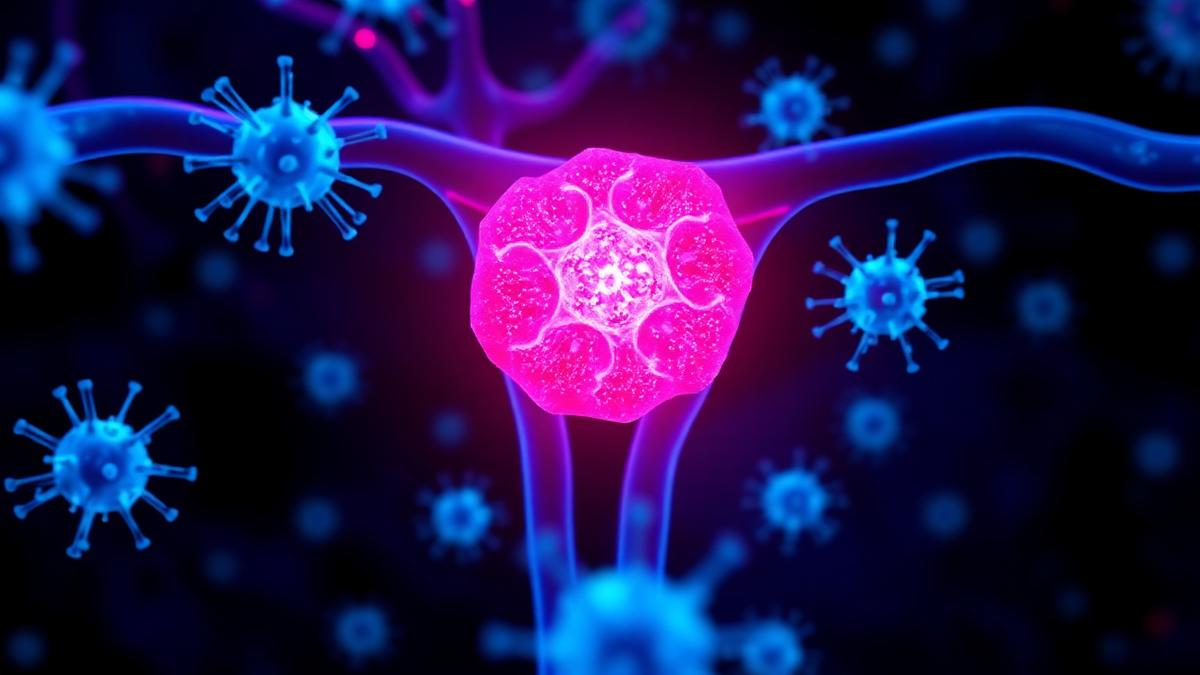
What this article covers
- What This Article Covers
- Endometriosis — where tissue similar to the uterine lining grows outside the uterus, causing pain, inflammation, and sometimes infertility — has no cure, only symptom management through hormones or surgery. Researchers are now exploring whether mesenchymal stem cells (MSCs) could target the disease's underlying biology instead.
- How It's Thought to Work
- Endometriosis involves chronic inflammation, abnormal blood vessel growth (angiogenesis) that feeds lesions, and tissue scarring (fibrosis). Mesenchymal stem cells — most often sourced from fat tissue (adipose-derived), bone marrow, or umbilical cord tissue — are being studied for their ability to modulate the immune system, calm inflammatory signaling, and potentially shrink lesions without the hormone-suppressing side effects of current drug therapy.
- What the Evidence Shows
- The evidence here is entirely preclinical — grown in the lab or tested in animals, not yet in people. A 2026 systematic review in Reproductive Biology and Endocrinology pooled 20 such studies and found that roughly 78% of reported outcomes (72 of 92) were positive, with adipose-derived stem cells showing the most consistent anti-inflammatory and lesion-shrinking effects.
- Who Might Be a Candidate
- Because this therapy remains experimental and unproven in humans, there is no established candidate profile.
- Bottom Line
- " The same body of research shows that certain cell types or delivery methods can backfire, and zero human trials have been completed. No stem cell therapy is FDA-approved for endometriosis, and patients should be skeptical of any clinic offering it as a current treatment.
What This Article Covers
Endometriosis — where tissue similar to the uterine lining grows outside the uterus, causing pain, inflammation, and sometimes infertility — has no cure, only symptom management through hormones or surgery. Researchers are now exploring whether mesenchymal stem cells (MSCs) could target the disease's underlying biology instead. This article covers what that early-stage research actually shows, and what it doesn't.
How It's Thought to Work
Endometriosis involves chronic inflammation, abnormal blood vessel growth (angiogenesis) that feeds lesions, and tissue scarring (fibrosis). Mesenchymal stem cells — most often sourced from fat tissue (adipose-derived), bone marrow, or umbilical cord tissue — are being studied for their ability to modulate the immune system, calm inflammatory signaling, and potentially shrink lesions without the hormone-suppressing side effects of current drug therapy. Some researchers are also studying "conditioned medium," the cocktail of growth factors and proteins that stem cells secrete, rather than the cells themselves.
What the Evidence Shows
The evidence here is entirely preclinical — grown in the lab or tested in animals, not yet in people. A 2026 systematic review in Reproductive Biology and Endocrinology pooled 20 such studies and found that roughly 78% of reported outcomes (72 of 92) were positive, with adipose-derived stem cells showing the most consistent anti-inflammatory and lesion-shrinking effects. In one 2023 mouse study published in Frontiers in Endocrinology, treatment with adipose stem cell-derived conditioned medium shrank endometriotic cysts and meaningfully improved fertility outcomes — fewer pregnancy losses and more live births among treated mice — a genuinely encouraging signal for a disease that often complicates conception.
That said, the picture isn't uniformly positive. A 2025 review in Stem Cell Research & Therapy found that not all stem cell types behave the same way: some, like bone-marrow-derived MSCs, may actually promote endometriotic lesion growth by feeding nearby cells, while adipose-derived cells tended to calm inflammation instead. The same review noted a primate study in which injecting umbilical cord stem cells directly into the abdominal cavity worsened symptoms rather than improving them — a reminder that cell source, delivery route, and dose all matter, and what helps in one context can hurt in another. No human clinical trials of stem cell therapy for endometriosis have been completed to date, and the FDA has not approved any stem cell product for this condition.
Who Might Be a Candidate
Because this therapy remains experimental and unproven in humans, there is no established candidate profile. People sometimes ask about it in the context of:
- Endometriosis with pain or infertility that hasn't responded well to hormonal therapy or surgery
- Interest in participating in future, properly designed clinical trials as they become available (none focused on endometriosis are known to be underway as of this writing)
- A general interest in regenerative medicine research, understanding that current options are lab- and animal-stage only
Anyone considering a clinic that already advertises stem cell injections for endometriosis today should treat that as a red flag, not a treatment option.
Bottom Line
Stem cell research for endometriosis is genuinely promising in early animal studies, particularly around shrinking lesions and improving fertility outcomes with adipose-derived cells — but "promising in mice" is not the same as "proven in people." The same body of research shows that certain cell types or delivery methods can backfire, and zero human trials have been completed. No stem cell therapy is FDA-approved for endometriosis, and patients should be skeptical of any clinic offering it as a current treatment. The realistic path forward runs through carefully controlled human trials that haven't started yet.
Key Questions Answered
- Is stem cell therapy an approved treatment for endometriosis?
- No. The FDA has not approved any stem cell product for endometriosis, and all current evidence comes from lab and animal studies, not human trials.
- What type of stem cells show the most promise in research so far?
- Adipose-derived (fat-derived) mesenchymal stem cells have shown the most consistent anti-inflammatory and lesion-reducing effects in animal studies, while other cell types, like bone-marrow-derived cells, have sometimes shown the opposite effect.
- Could stem cell therapy help with endometriosis-related infertility?
- In mouse studies, adipose stem cell-derived conditioned medium improved pregnancy outcomes, which is an encouraging early signal — but this hasn't been tested in humans, so it can't yet be considered a fertility treatment.
- Are there any risks associated with this kind of therapy?
- Yes. Research has shown that not all stem cell types or delivery methods are safe or effective — one primate study found that injecting certain stem cells directly into the abdomen worsened symptoms, underscoring how early and unsettled this research still is.
Sources
- Stem cell therapy-based approaches in experimental endometriosis: a systematic review — Reproductive Biology and Endocrinology, 2026 — https://link.springer.com/article/10.1186/s12958-026-01553-w
- A novel therapeutic approach for endometriosis using adipose-derived stem cell-derived conditioned medium – A new hope for endometriotic patients in improving fertility — Frontiers in Endocrinology, 2023 — https://www.frontiersin.org/journals/endocrinology/articles/10.3389/fendo.2023.1158527/full
- Mesenchymal stem cells: opening a new chapter in the treatment of gynecological diseases — Stem Cell Research & Therapy, 2025 — https://link.springer.com/article/10.1186/s13287-025-04623-9
- FDA Warns About Stem Cell Therapies — U.S. Food and Drug Administration — https://www.fda.gov/consumers/consumer-updates/fda-warns-about-stem-cell-therapies
Related Articles
- Clinical Applications
Can Stem Cells Help With Achilles Tendinopathy?
A ten-person Achilles tendinopathy trial reported encouraging safety and function results, but without a control group the stem cell approach remains investigational.
- Clinical Applications
Can Stem Cells Help With Cystic Fibrosis?
Cystic fibrosis MSC safety-trial findings, preclinical anti-inflammatory research and lung organoids for drug testing — without established treatment efficacy.
- Clinical Applications
Exosome Therapy for Hair Loss in Turkey: What's Actually Happening
Turkey's exosome hair-treatment add-ons, new tissue and cell rules, limited human evidence and product-traceability questions for patients.