What Is a Checkpoint Inhibitor? How PD-1 and PD-L1 Blockers Actually Work
What this article covers
- The Immune System's Built-In Brakes
- T cells are the immune system's main cancer-fighting soldiers, but an immune system with no "off switch" would be dangerous — it could turn on the body's own healthy tissue. To prevent that, T cells carry regulatory proteins called immune checkpoints.
- How Tumors Hijack the Brakes
- Cancer cells are, at their core, cells the immune system should recognize as abnormal. Many tumors survive by exploiting the very brakes described above.
- How Checkpoint Inhibitor Drugs Work
- Checkpoint inhibitors are monoclonal antibodies engineered to physically block these checkpoint proteins or their partners, preventing the "stand down" signal from being delivered. A PD-1 inhibitor binds to PD-1 on the T cell itself; a PD-L1 inhibitor binds to PD-L1 on the tumor (or other) cell; a CTLA-4 inhibitor blocks that earlier checkpoint during T-cell activation.
- The Major Approved Checkpoint Inhibitors
- Several checkpoint inhibitors are now FDA-approved and in routine clinical use, spanning three drug classes. PD-1 inhibitors include pembrolizumab (Keytruda), nivolumab (Opdivo), and cemiplimab (Libtayo), with newer entrants such as retifanlimab (Zynyz) approved more recently for cancers including Merkel cell carcinoma and anal cancer.
- What the Response Really Looks Like
- This is where checkpoint inhibitors deserve genuine, warranted enthusiasm — and equally genuine caution. In 2017, pembrolizumab became the FDA's first-ever "tissue-agnostic" cancer approval, cleared for any solid tumor with a specific genetic signature (microsatellite instability-high, or MSI-H, or mismatch repair deficiency) regardless of where in the body the cancer started — a trial across 15 different cancer types showed an overall response rate of about 40%, a result that would have been extraordinary by prior standards.
Checkpoint inhibitors are drugs that release molecular "brakes" the immune system normally uses to keep itself in check — brakes that many tumors learn to hijack for their own protection. By blocking proteins like PD-1, PD-L1, and CTLA-4, these drugs have turned a subset of advanced cancers that once had almost no effective options into diseases where long-term, sometimes durable remission is a realistic outcome for some patients. This article explains, in plain language, what the checkpoints actually are, how the drugs that block them work, which ones are approved and for what, and — just as importantly — who they don't work for and what the real risks look like.
The Immune System's Built-In Brakes
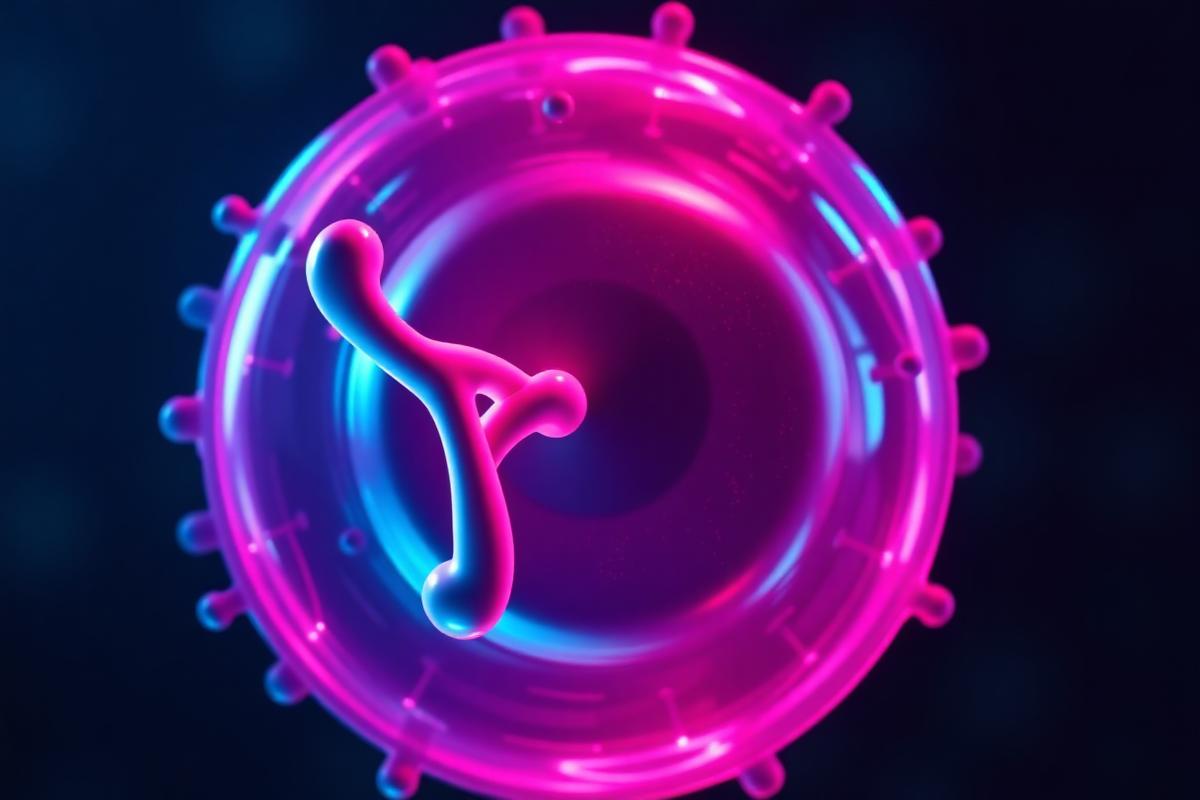
T cells are the immune system's main cancer-fighting soldiers, but an immune system with no "off switch" would be dangerous — it could turn on the body's own healthy tissue. To prevent that, T cells carry regulatory proteins called immune checkpoints. When a checkpoint protein on a T cell binds to its matching partner protein on another cell, it sends a signal that tells the T cell to stand down. The National Cancer Institute describes this as a normal safeguard against an immune response strong enough to destroy healthy cells. Two of the best-studied checkpoint pairs are PD-1 (on T cells) with PD-L1 (its partner, found on many normal and tumor cells), and CTLA-4, a related brake that acts earlier, when T cells are first being activated in lymph nodes.
How Tumors Hijack the Brakes
Cancer cells are, at their core, cells the immune system should recognize as abnormal. Many tumors survive by exploiting the very brakes described above. A common strategy is for tumor cells to produce large amounts of PD-L1 on their surface, which engages PD-1 on nearby T cells and effectively tells them to stand down — even though those T cells may have already recognized the tumor as a threat. The American Cancer Society notes that this is one of the central ways cancer evades an immune system that, in principle, is capable of fighting it. The result is a tumor sitting in plain sight of an immune system that has been chemically told to look away.
How Checkpoint Inhibitor Drugs Work
Checkpoint inhibitors are monoclonal antibodies engineered to physically block these checkpoint proteins or their partners, preventing the "stand down" signal from being delivered. A PD-1 inhibitor binds to PD-1 on the T cell itself; a PD-L1 inhibitor binds to PD-L1 on the tumor (or other) cell; a CTLA-4 inhibitor blocks that earlier checkpoint during T-cell activation. In each case, the mechanism is the same in spirit: remove the brake, and T cells that were already capable of recognizing the tumor are freed to attack it. This is a fundamentally different approach from chemotherapy or radiation, which act directly on cancer cells — checkpoint inhibitors act on the immune system, not the tumor.
The Major Approved Checkpoint Inhibitors
Several checkpoint inhibitors are now FDA-approved and in routine clinical use, spanning three drug classes. PD-1 inhibitors include pembrolizumab (Keytruda), nivolumab (Opdivo), and cemiplimab (Libtayo), with newer entrants such as retifanlimab (Zynyz) approved more recently for cancers including Merkel cell carcinoma and anal cancer. PD-L1 inhibitors include atezolizumab (Tecentriq), avelumab (Bavencio), and durvalumab (Imfinzi). The CTLA-4 inhibitor ipilimumab (Yervoy) was the first checkpoint inhibitor ever approved, in 2011, and a newer CTLA-4 agent, tremelimumab (Imjudo), has since followed; these are often combined with a PD-1 or PD-L1 drug. A newer combination product, Opdualag (nivolumab plus the LAG-3 inhibitor relatlimab), targets a third checkpoint pathway. Collectively, this class is now approved across a wide range of cancers — including melanoma, non-small cell lung cancer, kidney cancer, bladder cancer, head and neck cancer, Hodgkin lymphoma, liver cancer, and others — with the specific list of approved indications changing frequently as new trial data emerge. Because approvals shift often, always confirm current indications directly with FDA.gov or a treating oncologist rather than relying on any single article.
What the Response Really Looks Like
This is where checkpoint inhibitors deserve genuine, warranted enthusiasm — and equally genuine caution. In 2017, pembrolizumab became the FDA's first-ever "tissue-agnostic" cancer approval, cleared for any solid tumor with a specific genetic signature (microsatellite instability-high, or MSI-H, or mismatch repair deficiency) regardless of where in the body the cancer started — a trial across 15 different cancer types showed an overall response rate of about 40%, a result that would have been extraordinary by prior standards. In advanced melanoma, five-year follow-up of the pivotal CheckMate 067 trial found that patients treated with combination nivolumab plus ipilimumab had an overall survival rate of 52% at five years, compared with 44% for nivolumab alone and 26% for ipilimumab alone — numbers essentially unheard of for metastatic melanoma before checkpoint inhibitors existed. These are the kinds of results that justify calling this drug class one of the genuine breakthroughs of modern oncology.
But that promise comes with an equally important caveat: checkpoint inhibitors do not work for everyone, and response rates vary widely by cancer type and by biomarkers such as PD-L1 expression level and MSI/mismatch-repair status. Cancers with high mutation burden or strong PD-L1 expression tend to respond better, because they present more abnormal targets for T cells to recognize; cancers with low mutation burden or an immunologically "cold" tumor environment often respond poorly or not at all. Oncologists increasingly use PD-L1 testing, MSI/dMMR testing, and tumor mutational burden testing to help predict who is more likely to benefit — but even with favorable biomarkers, a meaningful share of patients will not respond, and predicting an individual patient's outcome in advance remains imperfect.
How Checkpoint Inhibitors Differ From CAR-T and Other Cell Therapies
Checkpoint inhibitors are frequently confused with cell-based immunotherapies like CAR-T, but they work in fundamentally different ways. CAR-T therapy removes a patient's own T cells, genetically engineers them in a lab to recognize a specific target on cancer cells, and infuses them back — an entirely new, custom-built weapon. Checkpoint inhibitors, by contrast, are off-the-shelf antibody drugs that don't modify or add any cells; they simply release a brake on the T cells a patient already has, whether or not those existing T cells have already learned to recognize the tumor. CAR-T is currently approved mainly for blood cancers like lymphoma and leukemia, while checkpoint inhibitors are approved across a much broader range of solid tumors. The two approaches are increasingly being studied in combination, on the theory that checkpoint blockade could keep engineered T cells from being shut down once they reach the tumor.
The Real Risks: Immune-Related Adverse Events
Because checkpoint inhibitors work by releasing immune restraint broadly, not just at the tumor, they can cause the immune system to attack healthy tissue — a category of side effects called immune-related adverse events (irAEs). A 2022 review in PMC found that across phase II/III trials, some form of adverse event occurred in roughly 54% to 76% of patients on checkpoint inhibitors. The specific organs affected vary: colitis (intestinal inflammation) affects roughly 12% of patients on CTLA-4 inhibitors, and diarrhea can be even more common; thyroid dysfunction occurs in a meaningful minority of patients on PD-1 inhibitors; pneumonitis (lung inflammation) affects roughly 1–3% of patients on PD-1/PD-L1 inhibitors; hepatitis and rash are also reported; and rare but serious cardiac inflammation (myocarditis) can occur in under 1% of patients but carries a disproportionately high risk of severe harm. CTLA-4 inhibitors tend to cause more severe (grade 3–4) toxicity overall than PD-1/PD-L1 inhibitors, and combining the two drug classes further raises the risk of serious irAEs. Most mild irAEs are manageable with monitoring or corticosteroids, and endocrine irAEs are typically managed with lifelong hormone replacement rather than immune suppression — but severe cases can require hospitalization, high-dose steroids, additional immunosuppressive drugs, and permanent discontinuation of treatment.
Bottom Line
Checkpoint inhibitors represent a real and, for the right patient, potentially life-extending category of cancer treatment — not a cure-all, and not guaranteed to work, but genuinely transformative for a meaningful subset of people with cancers that used to offer very little hope. If you or someone you love is considering this treatment, ask your oncologist directly: what is the expected response rate for this specific cancer type and stage, has PD-L1 expression or MSI/mismatch-repair status been tested to help predict benefit, what immune-related side effects should be watched for and reported immediately, and what the plan is if an immune-related adverse event occurs. Those conversations, grounded in your specific diagnosis and biomarkers, matter more than any general statistic.
Key Questions Answered
- What are checkpoint inhibitors and how do they work in cancer treatment?
- Checkpoint inhibitors are drugs that release molecular 'brakes' the immune system normally uses, which many tumors hijack for protection. These drugs block proteins like PD-1, PD-L1, and CTLA-4, thereby freeing T cells that were already capable of recognizing the tumor to attack it. This approach acts on the immune system rather than directly on cancer cells.
- What are the common side effects or risks associated with checkpoint inhibitors?
- Checkpoint inhibitors can cause immune-related adverse events (irAEs) because they broadly release immune restraint, potentially leading the immune system to attack healthy tissue. These events, which occur in roughly 54% to 76% of patients in phase II/III trials, can include colitis, thyroid dysfunction, pneumonitis, hepatitis, rash, and in rare cases, serious cardiac inflammation. The severity and type of irAEs can vary by the specific drug class used.
- For which types of cancer are checkpoint inhibitors approved?
- Checkpoint inhibitors are approved for a wide range of cancers, including melanoma, non-small cell lung cancer, kidney cancer, bladder cancer, head and neck cancer, Hodgkin lymphoma, and liver cancer. The FDA also granted a 'tissue-agnostic' approval for pembrolizumab for any solid tumor with a specific genetic signature, such as microsatellite instability-high. Given that approvals frequently change, it is advised to confirm current indications directly with FDA.gov or an oncologist.
- How do doctors predict if a patient will respond to checkpoint inhibitors?
- Oncologists increasingly use biomarker testing to help predict who is more likely to benefit from checkpoint inhibitors. Cancers with high mutation burden or strong PD-L1 expression tend to respond better, so tests like PD-L1 testing, MSI/dMMR testing, and tumor mutational burden testing are used. However, even with favorable biomarkers, a significant number of patients may not respond, and predicting individual outcomes remains imperfect.
Sources
- Immune Checkpoint Inhibitors, National Cancer Institute (NCI), 2024, https://www.cancer.gov/about-cancer/treatment/types/immunotherapy/checkpoint-inhibitors
- Immune Checkpoint Inhibitors and Their Side Effects, American Cancer Society, 2023, https://www.cancer.org/cancer/treatment-types/immunotherapy/immune-checkpoint-inhibitors.html
- FDA Grants Accelerated Approval to Pembrolizumab for First Tissue/Site Agnostic Indication, U.S. Food and Drug Administration, 2017, https://www.fda.gov/drugs/resources-information-approved-drugs/fda-grants-accelerated-approval-pembrolizumab-first-tissuesite-agnostic-indication
- Immune-Related Adverse Events of Checkpoint Inhibitors, PMC (National Library of Medicine), 2022, https://pmc.ncbi.nlm.nih.gov/articles/PMC9728094/
- Management of Immune-Related Adverse Events in Patients Treated With Immune Checkpoint Inhibitor Therapy: ASCO Guideline Update, Journal of Clinical Oncology, 2021, https://ascopubs.org/doi/10.1200/JCO.21.01440
- Five-Year Survival with Combined Nivolumab and Ipilimumab in Advanced Melanoma, New England Journal of Medicine, 2019, https://www.nejm.org/doi/full/10.1056/nejmoa1910836
- 5-Year Survival and Response With Nivolumab/Ipilimumab in Advanced Melanoma, The ASCO Post, 2019, https://ascopost.com/news/september-2019/5-year-survival-and-response-with-nivolumabipilimumab-in-advanced-melanoma/
- Immune Checkpoint Inhibitors and CAR T-Cell Therapy: Differences and Collaboration, ACGT Foundation, 2024, https://acgtfoundation.org/acgt-blog/comparing-immune-checkpoint-inhibitors-and-car-t-cell-therapies/
Related Articles
- Fundamentals
What Is Apheresis, and Why Is It the First Step in CAR-T Cell Therapy?
Before CAR-T cells can be engineered, a patient's T cells must be collected by leukapheresis — a several-hour blood-filtering procedure whose success is not guaranteed in heavily pretreated patients.
- Fundamentals
Autologous vs. Allogeneic CAR-T: What's the Difference?
All six FDA-approved CAR-T products are made from the patient's own cells. Off-the-shelf donor CAR-T is faster and cheaper in theory — and still investigational.
- Fundamentals
What Is a Cancer Vaccine? Preventive vs. Therapeutic Vaccines Explained
Preventive HPV and hepatitis B vaccines are proven cancer-prevention tools. Therapeutic cancer vaccines are a harder, mostly still-investigational problem.