Cell Banking: What Healthy People Are Actually Storing, and Why
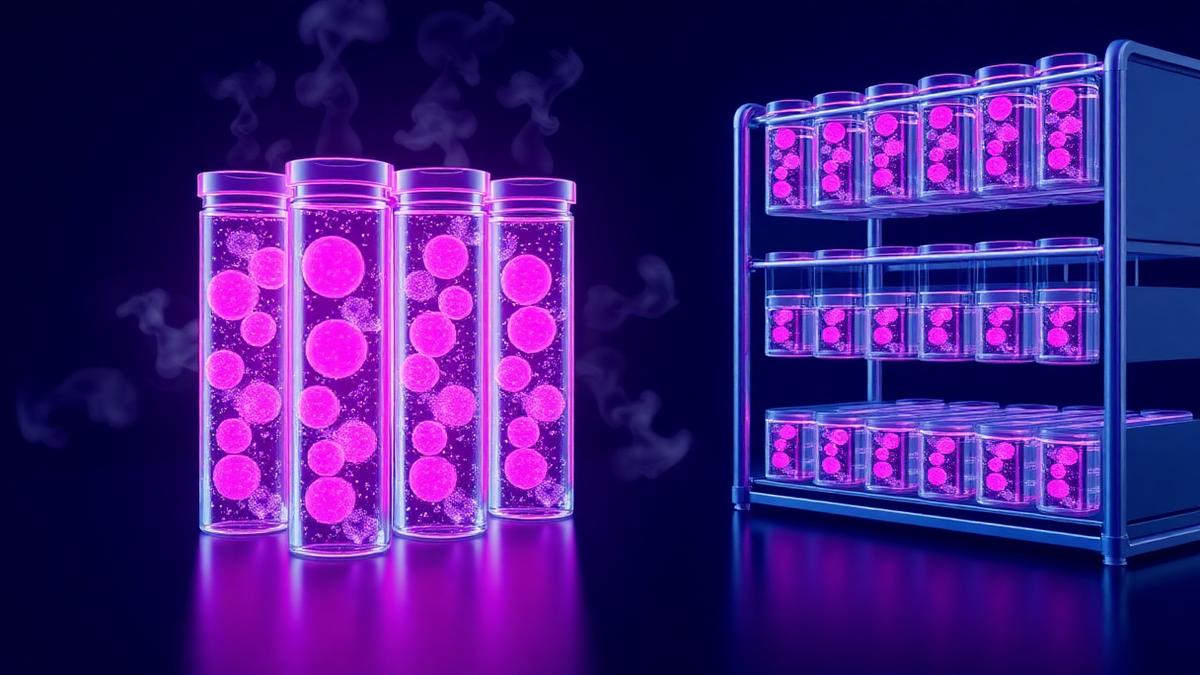
7 min readPrivate cell banking sells the idea of a younger biological backup. Here is what is genuinely stored, what it can be used for today, and which claims outrun the evidence.
An independent reference library on stem cell therapy and cancer immunotherapy research.
471 articles · 2 topics · 351 Stem Cell Research · 120 Cancer Immunotherapy
Step 1 — Topic
Step 2 — Category
All 471 articles

Private cell banking sells the idea of a younger biological backup. Here is what is genuinely stored, what it can be used for today, and which claims outrun the evidence.

Early trials of mesenchymal stem cell therapy for rheumatoid arthritis show real symptom improvement and a reassuring safety profile — but benefits often fade within 12 months, and no MSC therapy is FDA-approved for RA.

Darvadstrocel (Alofisel) won EU approval for treatment-resistant perianal fistulas in Crohn's disease — then a larger confirmatory trial failed and the product was withdrawn in 2024. What that story means for patients.

South Korea's MFDS renewed conditional approval of Neuronata-R for ALS in May 2026, narrowing the label to "slow progressors" after a Phase 3 trial missed its primary endpoint but showed consistent subgroup benefit.

Yamanaka's four factors turned ordinary adult cells back into pluripotent ones — a Nobel-winning discovery now driving disease models and early trials in Parkinson's and macular degeneration, with real tumor-risk caveats.

Thymic involution starts in adolescence and naive T cell output falls steadily from midlife. What immune aging actually looks like — and what the evidence supports doing about it.

Dendritic cells train the immune system to recognise tumour targets. One DC vaccine is FDA-approved; most other uses — including wellness infusions — remain investigational.

CD19 CAR-T cells have put lupus, myositis and systemic sclerosis patients into drug-free remission in early case series and the CASTLE basket trial — but no CAR-T is FDA-approved for any autoimmune disease.

A patient at UC Irvine became the first person to receive an experimental neural stem cell implant for Huntington's disease. Inside the REGEN4HD trial: the encouraging early safety signal, and why one patient in a 21-person study proves nothing about efficacy yet.

The gap between FDA-approved stem cell products and what's marketed as "stem cell therapy" is the biggest source of patient risk in this field. The specific questions to ask — and the red flags worth walking away from — drawn from FDA and academic guidance.

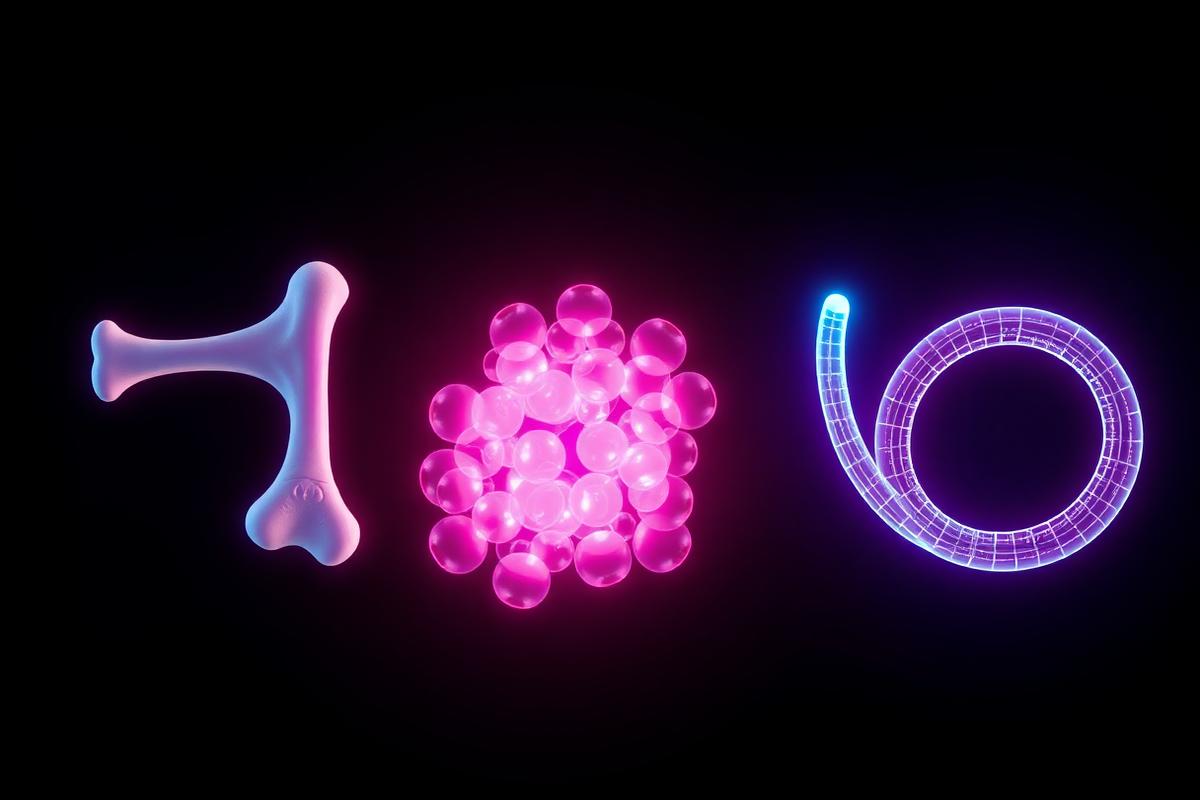
Bone marrow, fat, and umbilical cord tissue all yield mesenchymal stem cells — but the comparative literature shows real differences in growth rate, immune-modulating potency, and collection burden. What the research actually found.

In a Phase 3 head-to-head trial, the bispecific antibody ivonescimab plus chemotherapy extended median survival to 27.89 months versus 23.89 for a PD-1 inhibitor in advanced squamous NSCLC — with a higher rate of serious side effects and no FDA approval yet.
Every feature article on regenmedreview carries a Sources block listing its references. Where the original source material included no external citations, that is stated explicitly rather than left blank.