Myth: Stem Cell Therapy Can Treat or Cure Almost Any Disease
7 min readStem cell therapy is not a cure-all. Compare established transplants and narrowly approved products with unproven claims for many other conditions.
An independent reference library on stem cell therapy and cancer immunotherapy research.
471 articles · 2 topics · 351 Stem Cell Research · 120 Cancer Immunotherapy
Step 1 — Topic
Step 2 — Category
All 471 articles

Stem cell therapy is not a cure-all. Compare established transplants and narrowly approved products with unproven claims for many other conditions.

An indirect 2026 myeloma comparison finds similar responses for investigational anito-cel and approved Carvykti, with fewer safety events; not a head-to-head trial.

Stem-cell-derived interneurons show encouraging seizure reductions in early drug-resistant epilepsy trials, but NRTX-1001 remains investigational and unapproved.

Dubai’s 2026 stem cell rules tighten licensing and limit routine care to minimally manipulated autologous cells, while exosome products remain a regulatory gap.

Compare stem cell research across Parkinson’s, Huntington’s, ALS, Alzheimer’s, MSA and dementias by trial phase, evidence quality and treatment status.

Resistance training, protein and activity help preserve muscle as we age; satellite cells remain responsive, while cell therapies for sarcopenia are unproven.

Understand multiple sclerosis symptoms, causes and subtypes, standard disease-modifying care, and where intensive AHSCT research fits for aggressive MS.

A potency assay tests whether each batch of cell therapy has its intended biological activity. Why living cells make this hard, and what regulators require.

A ClinicalTrials.gov listing is not an endorsement. Check study type, phase, sponsor, recruitment status, ethics review and FDA oversight before trusting a trial.

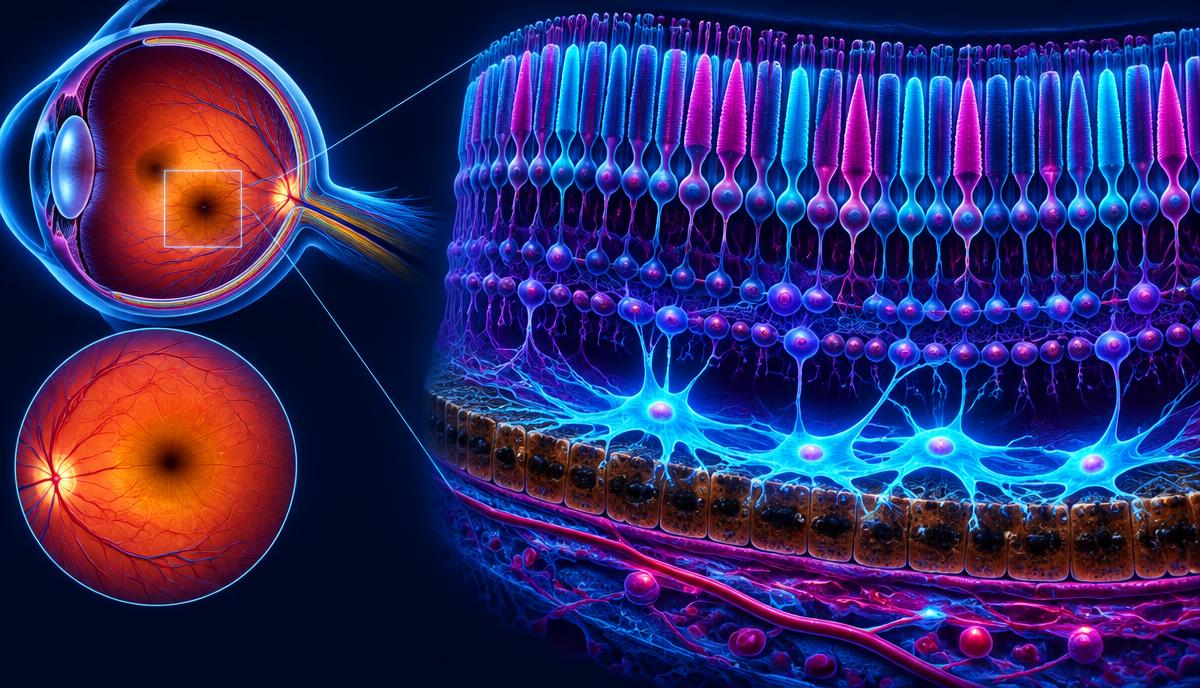
Three-year OpRegen follow-up suggests durable vision gains in a small geographic atrophy trial. The treatment remains investigational and lacks randomized efficacy data.

More stem cells do not always mean better outcomes. Dose-comparison research suggests an optimal range for IV MSCs, while high doses can introduce risks.

ASH returns to New Orleans December 12–15, 2026. What blood cancer and cell-therapy readers can expect, and why early conference results require caution.
Every feature article on regenmedreview carries a Sources block listing its references. Where the original source material included no external citations, that is stated explicitly rather than left blank.