Exosome Therapy for Hair Loss in Turkey: What's Actually Happening
6 min readTurkey's exosome hair-treatment add-ons, new tissue and cell rules, limited human evidence and product-traceability questions for patients.
An independent reference library on stem cell therapy and cancer immunotherapy research.
471 articles · 2 topics · 351 Stem Cell Research · 120 Cancer Immunotherapy
Step 1 — Topic
Step 2 — Category
All 471 articles

Turkey's exosome hair-treatment add-ons, new tissue and cell rules, limited human evidence and product-traceability questions for patients.

Why cash-pay stem cell pricing does not establish efficacy or safety, and how trial-backed approved cell therapies differ from unproven injections.

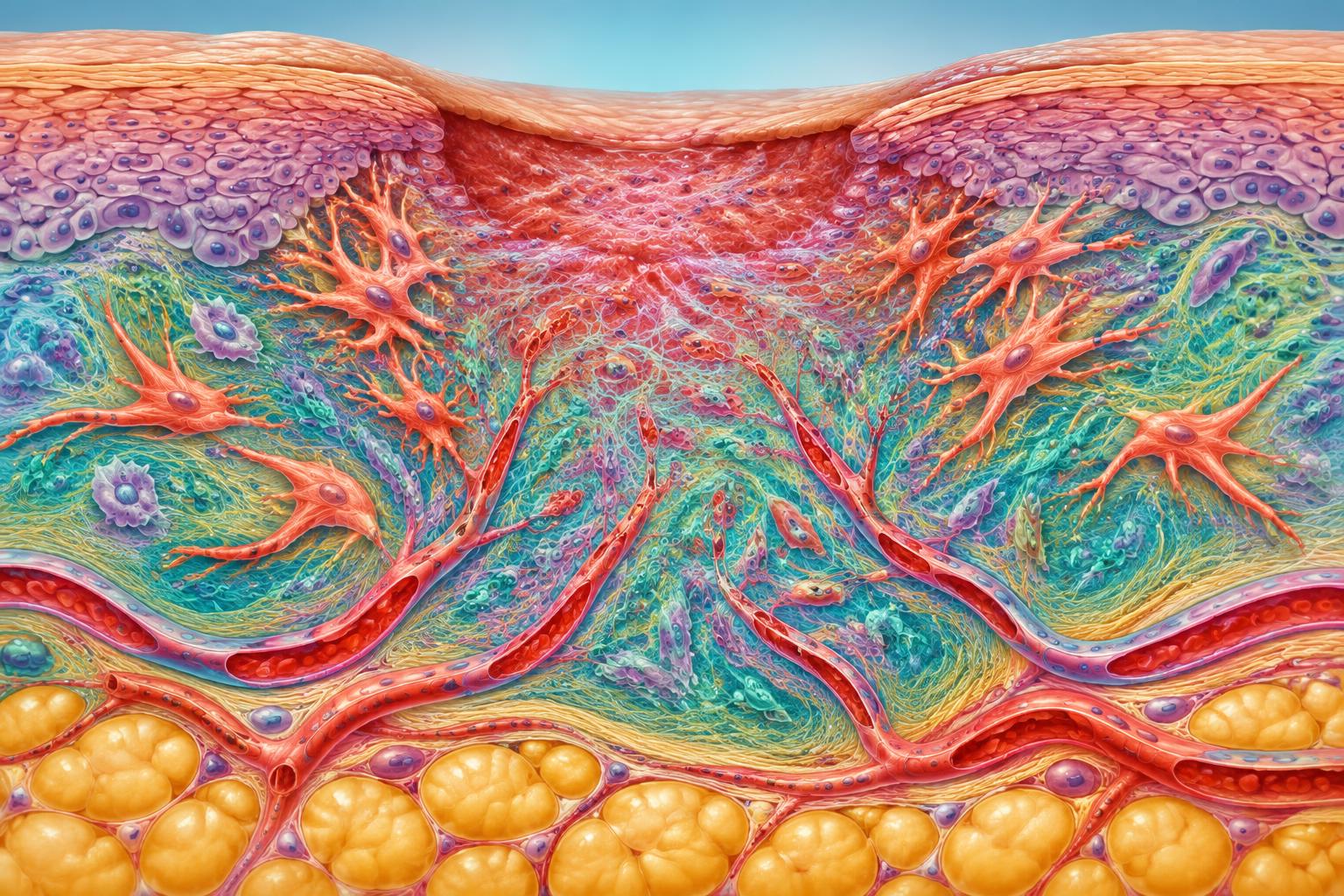
Early cell-therapy studies show promising pressure-ulcer healing signals, but evidence remains small and mixed, with no FDA-approved product for bedsores.

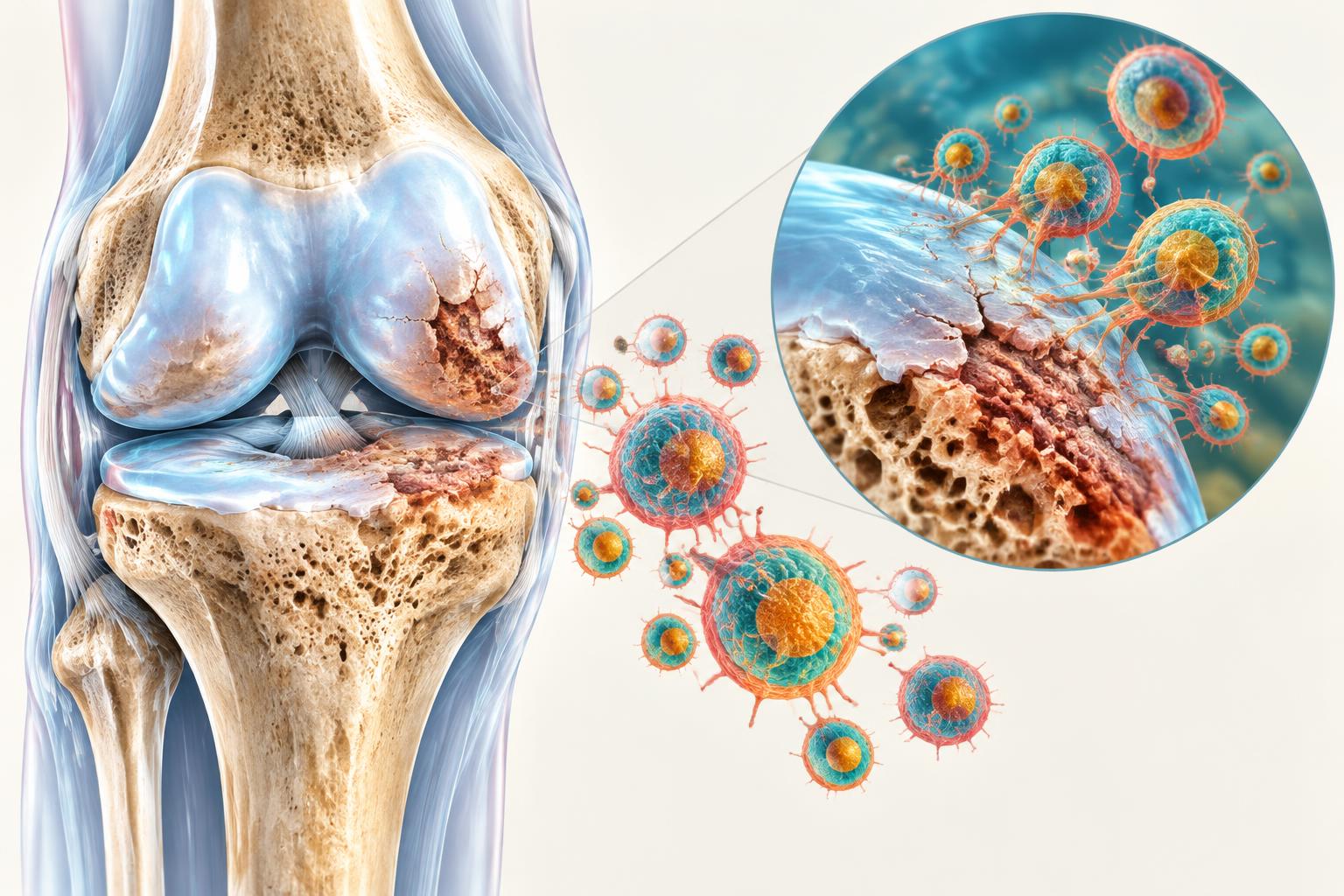
CARTISTEM enters a US pivotal trial through a reportedly streamlined FDA pathway. Japanese topline results are encouraging, but full data and US approval are still pending.

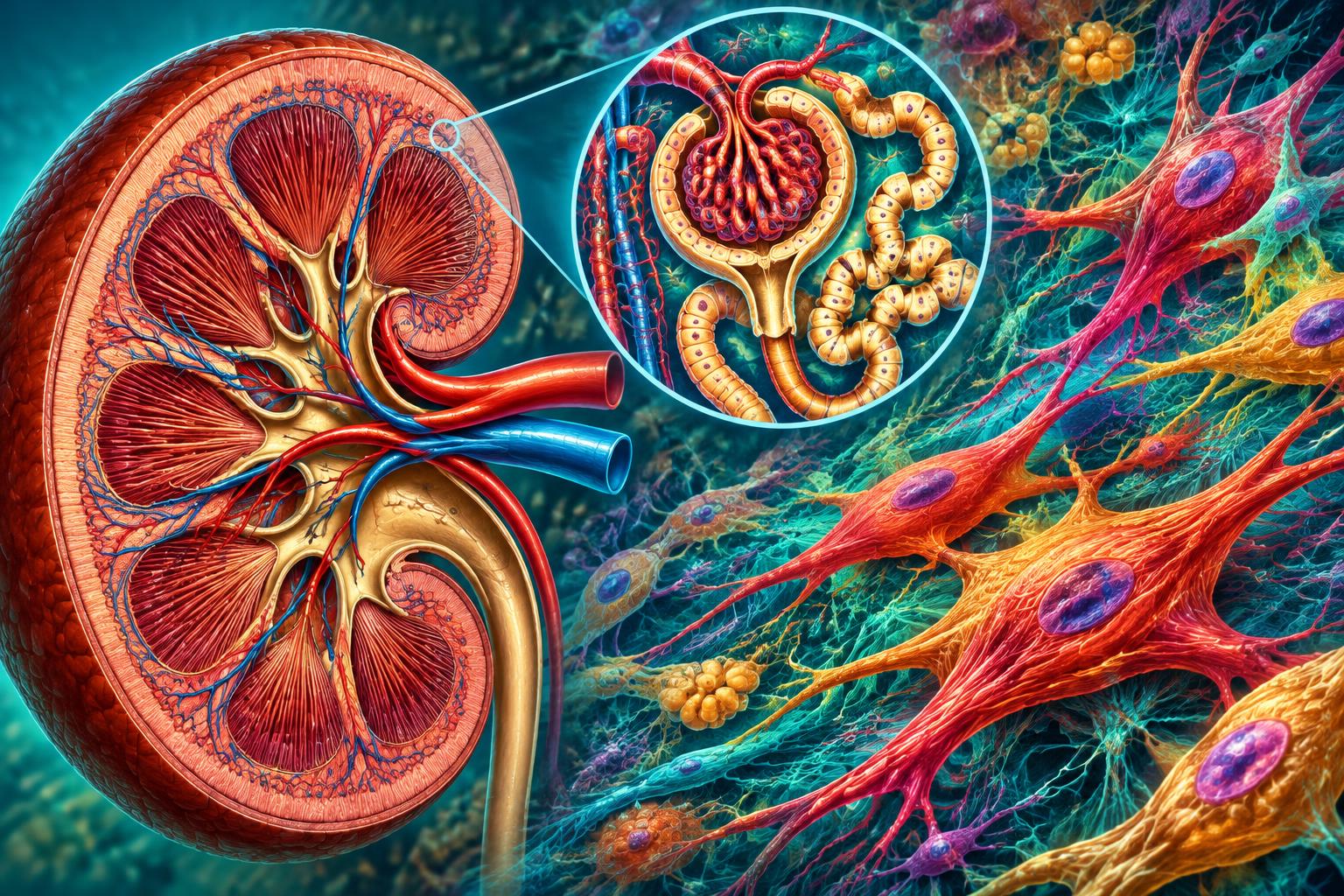
Kidney stem cell research varies sharply by disease: small human signals in diabetic disease and lupus nephritis, a negative AKI trial, and preclinical PKD work.

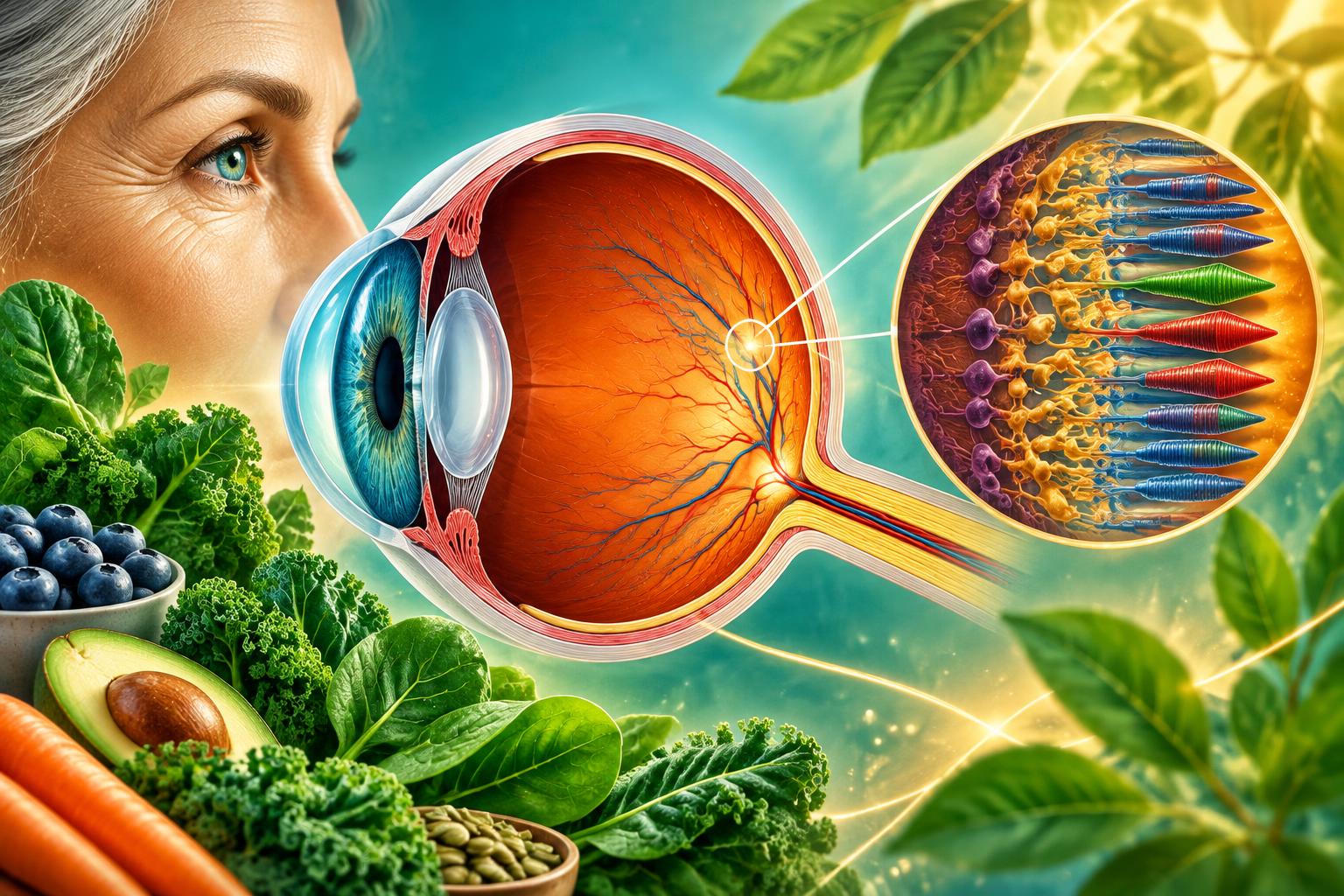
What AREDS2, diet research and eye-health guidance show about lowering vision-loss risk through smoking cessation, metabolic control, UV protection and exams.

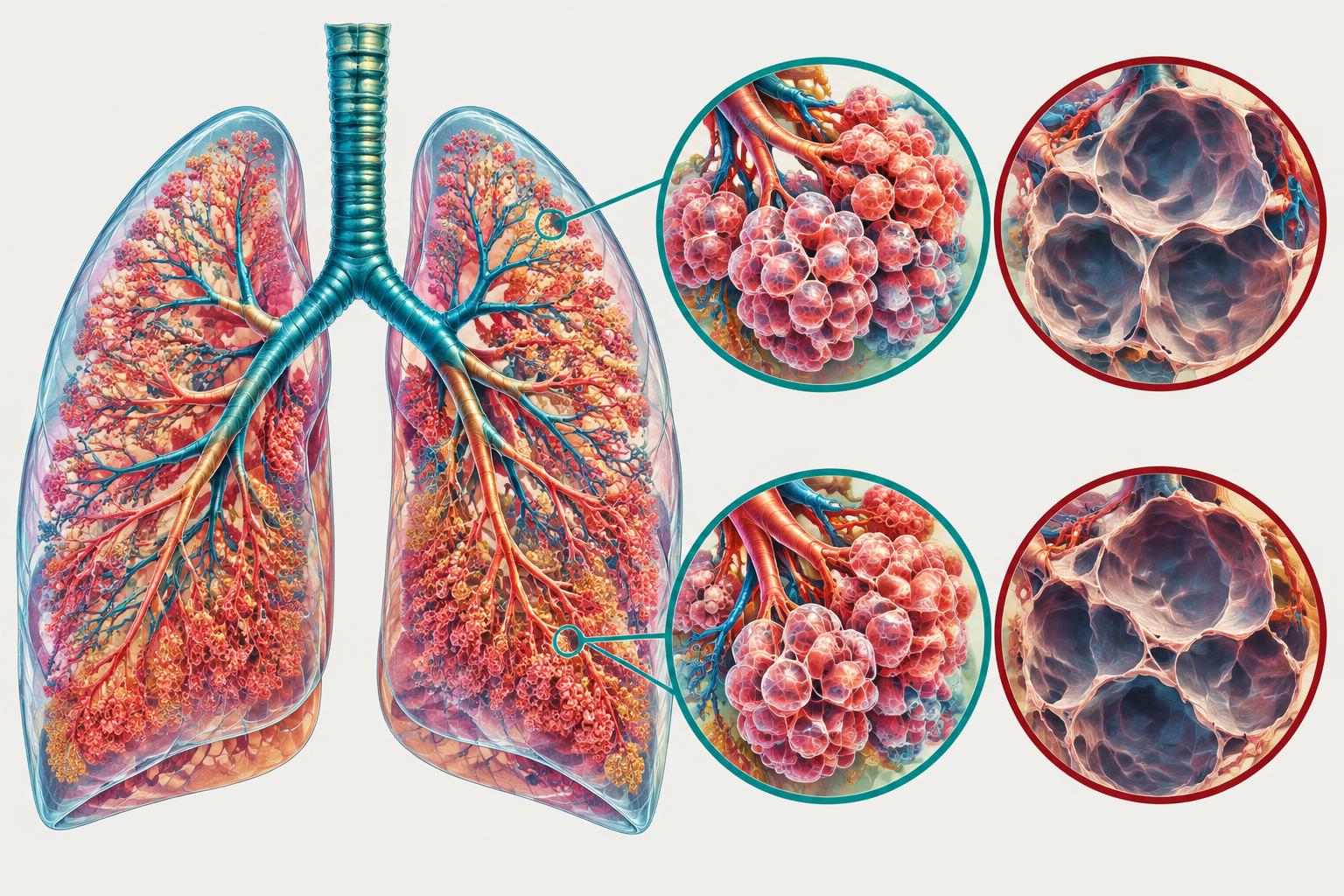
COPD causes, symptoms, spirometry diagnosis and established care, plus why reassuring MSC safety data have not established stem cell treatment efficacy.

Cord blood banking explained: established transplant uses, public versus private storage, and the low odds of a healthy child using their own banked cells.

IRB approval is an ethics review, not proof a stem cell treatment works. Learn how it differs from IND clearance and FDA approval, and what to verify.

Using your own cells does not make a procedure risk-free. Documented vision loss and FDA warnings reveal harvesting, injection, processing and biological risks.

A preview of World ADC San Diego 2026: seven research tracks, emerging antibody conjugates, and the clinical questions shaping targeted cancer treatment.

China leads CAR-T research for severe autoimmune disease. Early lupus nephritis results are encouraging, but trials remain small and no autoimmune indication is approved.
Every feature article on regenmedreview carries a Sources block listing its references. Where the original source material included no external citations, that is stated explicitly rather than left blank.