Stem Cell Therapy for Glaucoma and Optic Nerve Damage
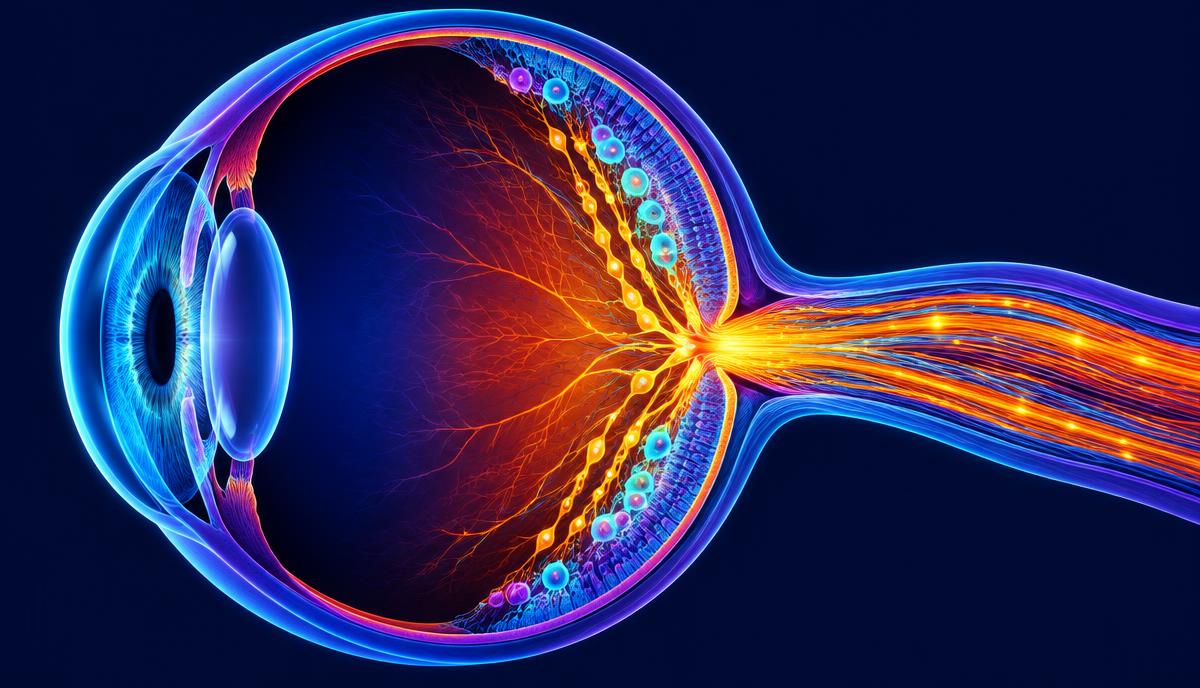
7 min readA 2024 meta-analysis of 66 patients found modest visual acuity gains after stem cell therapy for optic neuropathy — but no measurable nerve fiber regeneration.
An independent reference library on stem cell therapy and cancer immunotherapy research.
471 articles · 2 topics · 351 Stem Cell Research · 120 Cancer Immunotherapy
Step 1 — Topic
Step 2 — Category
All 471 articles

A 2024 meta-analysis of 66 patients found modest visual acuity gains after stem cell therapy for optic neuropathy — but no measurable nerve fiber regeneration.

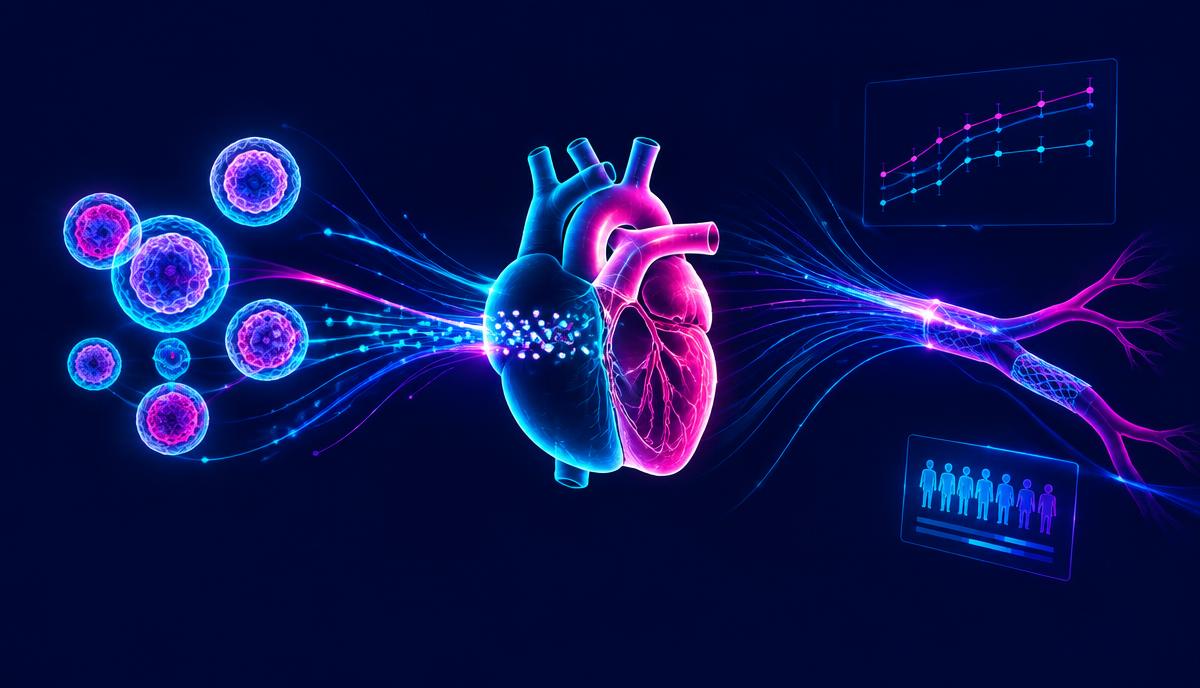
ELPIS II missed its primary endpoint in infants with hypoplastic left heart syndrome, yet reported zero deaths in the treated arm — a fragile but real signal.

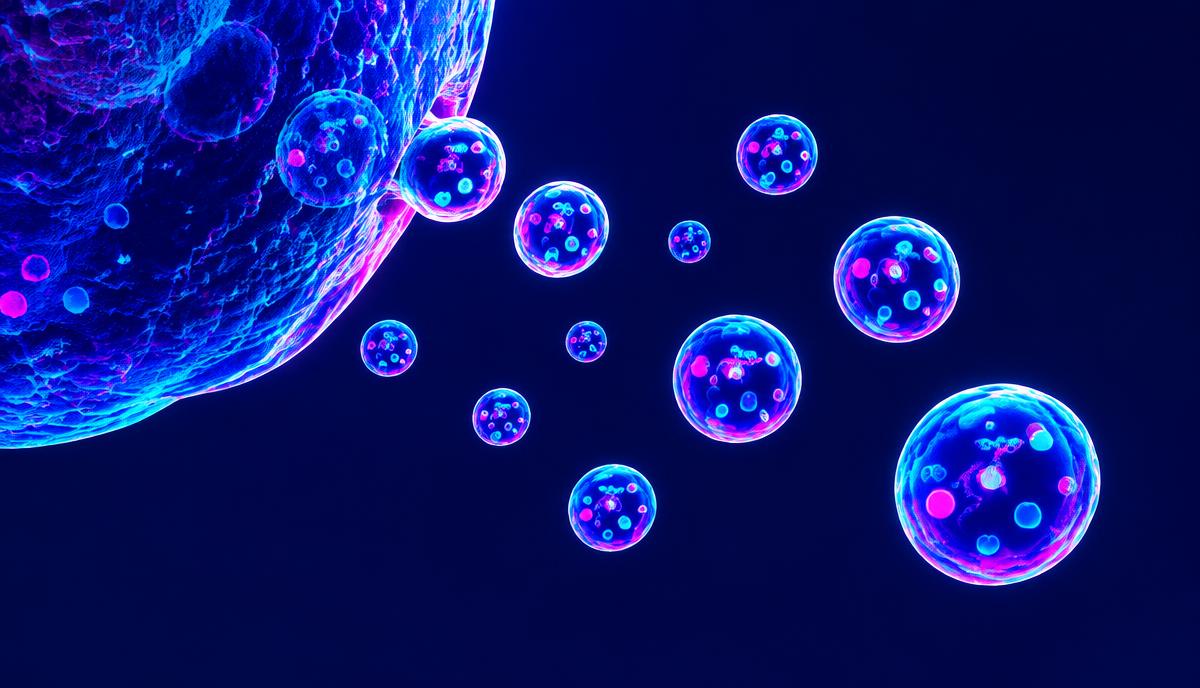
Exosomes are signaling packets cells release — not cells. No exosome product has FDA approval, and the agency has been warning about them since 2019.

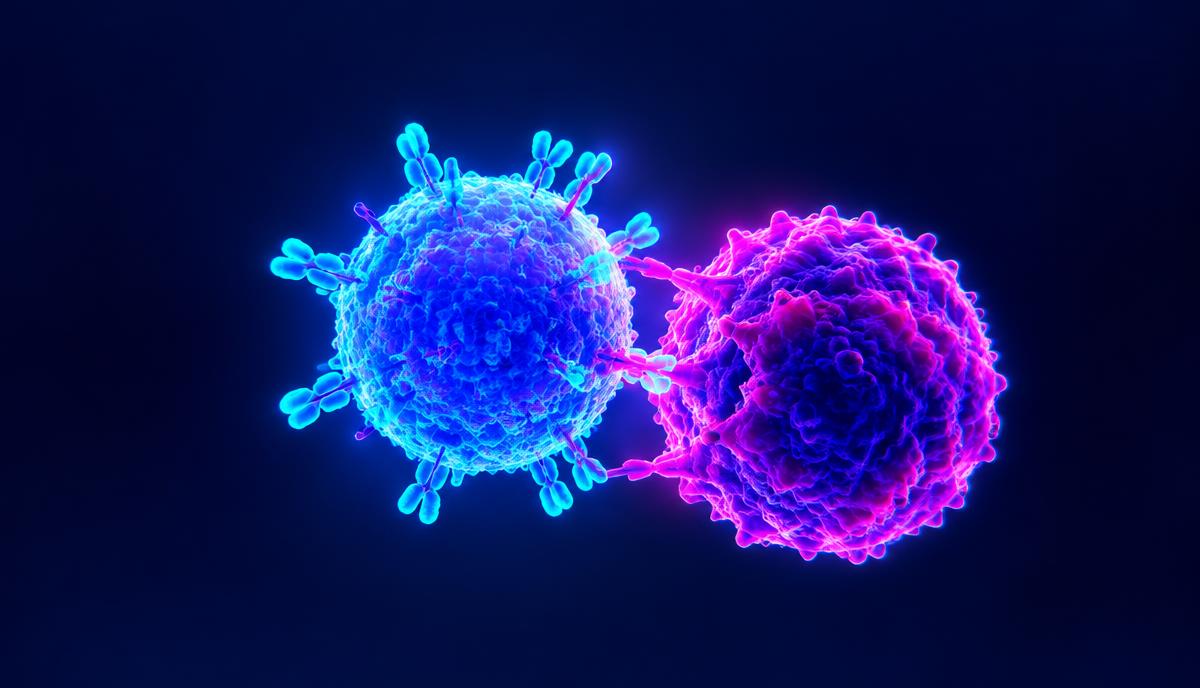
Brexucabtagene autoleucel has five-year follow-up data in relapsed mantle cell lymphoma — a 91% response rate and 38% of patients alive at five years.

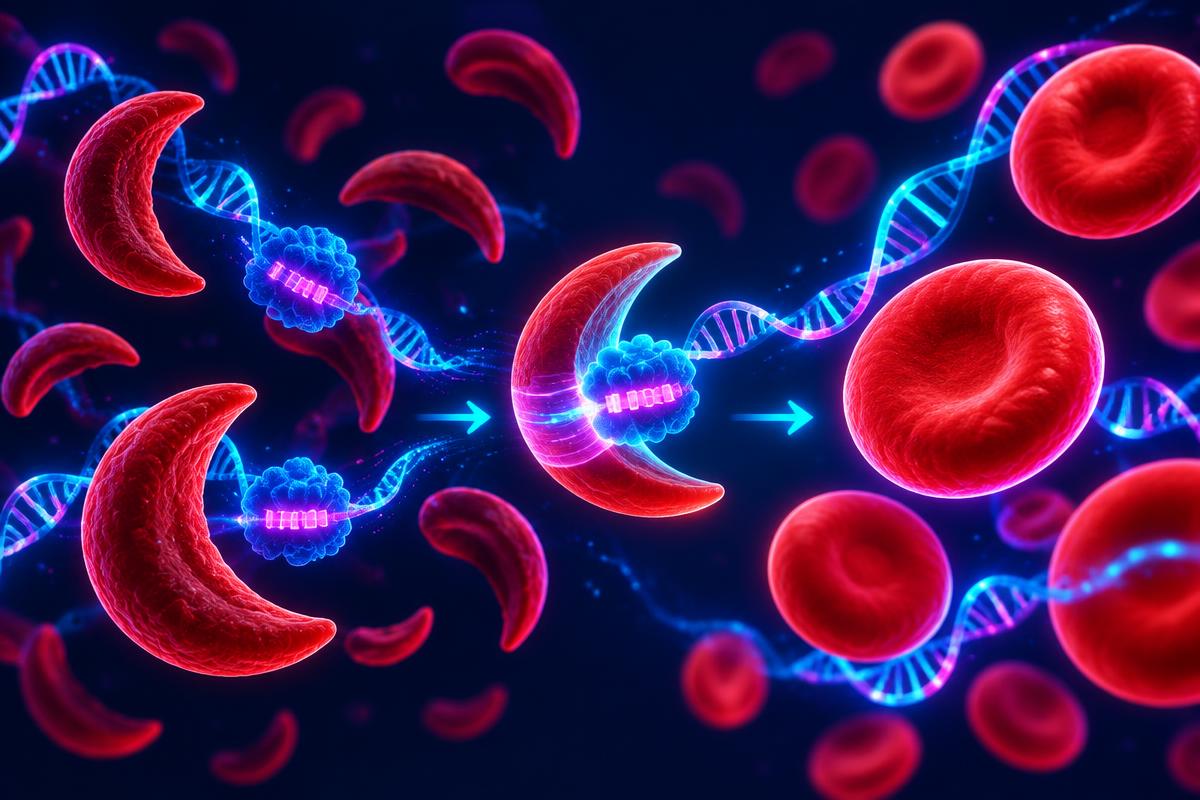
Sickle cell disease is one of the few conditions where stem cell therapy is established medicine: matched-sibling transplant plus two FDA-approved gene therapies, Casgevy and Lyfgenia.

For severe aplastic anemia, a matched-donor stem cell transplant is the one treatment that can cure the disease — and a new FDA approval now offers a cellular option to patients without a match.

Informed consent is a process, not paperwork — and in stem cell medicine the same phrase can mean a regulator-reviewed trial protocol or a thin form designed to protect the clinic.

Novartis halted eight autoimmune CAR-T trials after three patients died of IEC-HS; Bristol Myers Squibb paused its own as a precaution. What's confirmed, and what's still analyst speculation.

Two CD19-directed CAR-T products carry accelerated approval for relapsed follicular lymphoma, with response rates among the highest in the field — alongside real CRS, neurotoxicity and access limits.

Animal studies show large reductions in disease severity and markedly better survival — but only one human case has ever been published, and no controlled trial in infants has begun.

Human trials show MSC infusions are safe in septic shock, and pooled data hint at a survival benefit with repeated dosing — but no phase III trial has confirmed it and nothing is FDA-approved.

One rebuilds damaged tissue, the other recruits the immune system against cancer. CAR-T, despite the common confusion, is not a stem cell therapy at all.
Every feature article on regenmedreview carries a Sources block listing its references. Where the original source material included no external citations, that is stated explicitly rather than left blank.