What Is HLA Matching, and Why Does It Matter for Stem Cell Transplants?
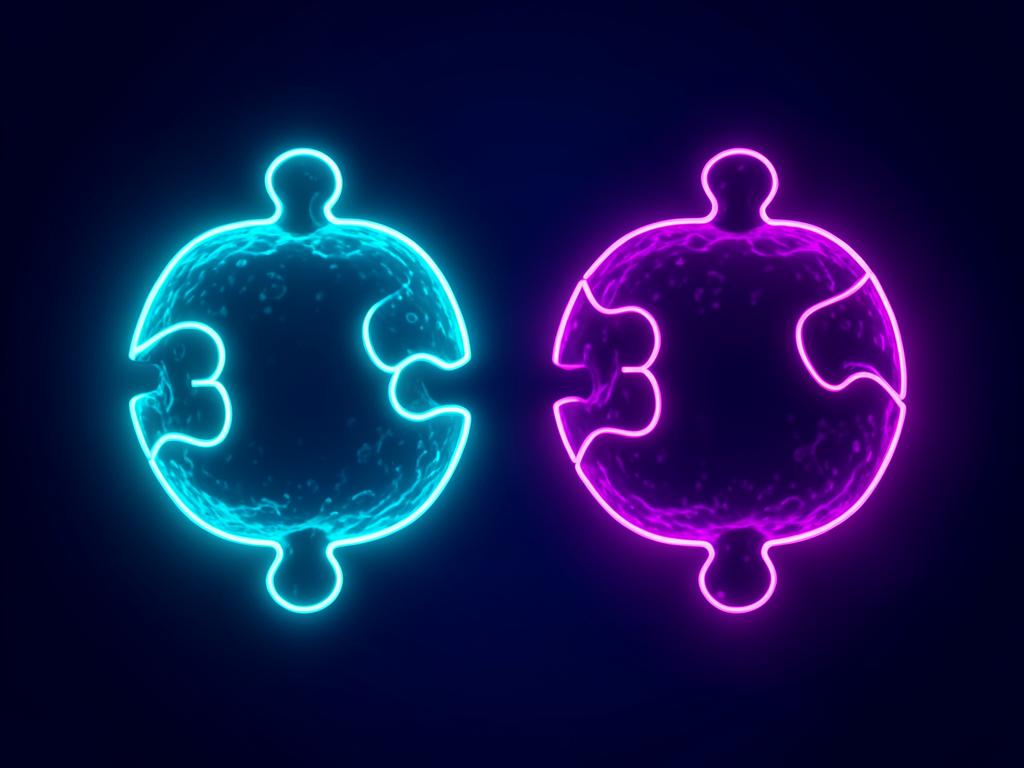
10 min readHLA matching decides who can receive a donor stem cell transplant and how risky it is. Here's what HLA is, how matches are graded, and why MSC therapies skip it.
An independent reference library on stem cell therapy and cancer immunotherapy research.
471 articles · 2 topics · 351 Stem Cell Research · 120 Cancer Immunotherapy
Step 1 — Topic
Step 2 — Category
All 471 articles

HLA matching decides who can receive a donor stem cell transplant and how risky it is. Here's what HLA is, how matches are graded, and why MSC therapies skip it.

A phase IIa placebo-controlled trial of a cord blood-derived cell product cut post-COVID fatigue scores sharply — promising, but no stem cell therapy is FDA-approved for Long COVID.

Topical MSCs shrank treatment-refractory venous leg ulcers by roughly 76-78% in a phase I/IIa trial — encouraging early data, but no product is FDA-approved for this use.

Self-renewal — not potency — is what makes a stem cell a stem cell. How symmetric and asymmetric division work, why niche signals matter, and what it means for manufacturing and cancer.

The FDA cleared a first-in-human trial of a dual-targeted CAR-T therapy for advanced colorectal cancer and pediatric solid tumors. Why the strategy matters — and what remains unknown.

How CD19-targeted CAR-T cells are made and how they kill lymphoma, what ZUMA-1, JULIET, and TRANSCEND showed, and the toxicities, relapse routes, and access barriers involved.

Kyverna's Phase 2 KYSA-8 trial of miv-cel in stiff person syndrome reported a 46% walk-test improvement and a rolling BLA is underway — but the FDA hasn't ruled.

What a chimeric antigen receptor really is, how viral vectors splice its gene into a T cell's DNA, and how CRISPR is being used to build off-the-shelf CAR-T.

Holoclar is approved in the EU for corneal blindness caused by eye burns, with 72% of patients keeping a stable corneal surface at one year — but no equivalent product is FDA-approved in the US.

The world's first human trial of a regenerative cell therapy for sensorineural hearing loss was approved in the UK in 2025 — but it is a safety study, and no stem cell treatment for hearing loss is approved anywhere.

Keio University's four-patient iPSC trial in acute spinal cord injury reports no tumors after up to four years, and two of four patients regained some motor or sensory function — a safety milestone, not proof of efficacy.

Two phrases in 21 CFR 1271.10 — minimal manipulation and homologous use — decide whether a stem cell product needs full FDA approval. Here's how that test works, and how patients can apply it.
Every feature article on regenmedreview carries a Sources block listing its references. Where the original source material included no external citations, that is stated explicitly rather than left blank.